
Product
DIN 6915 Nuts For High-Strength Steel Structures
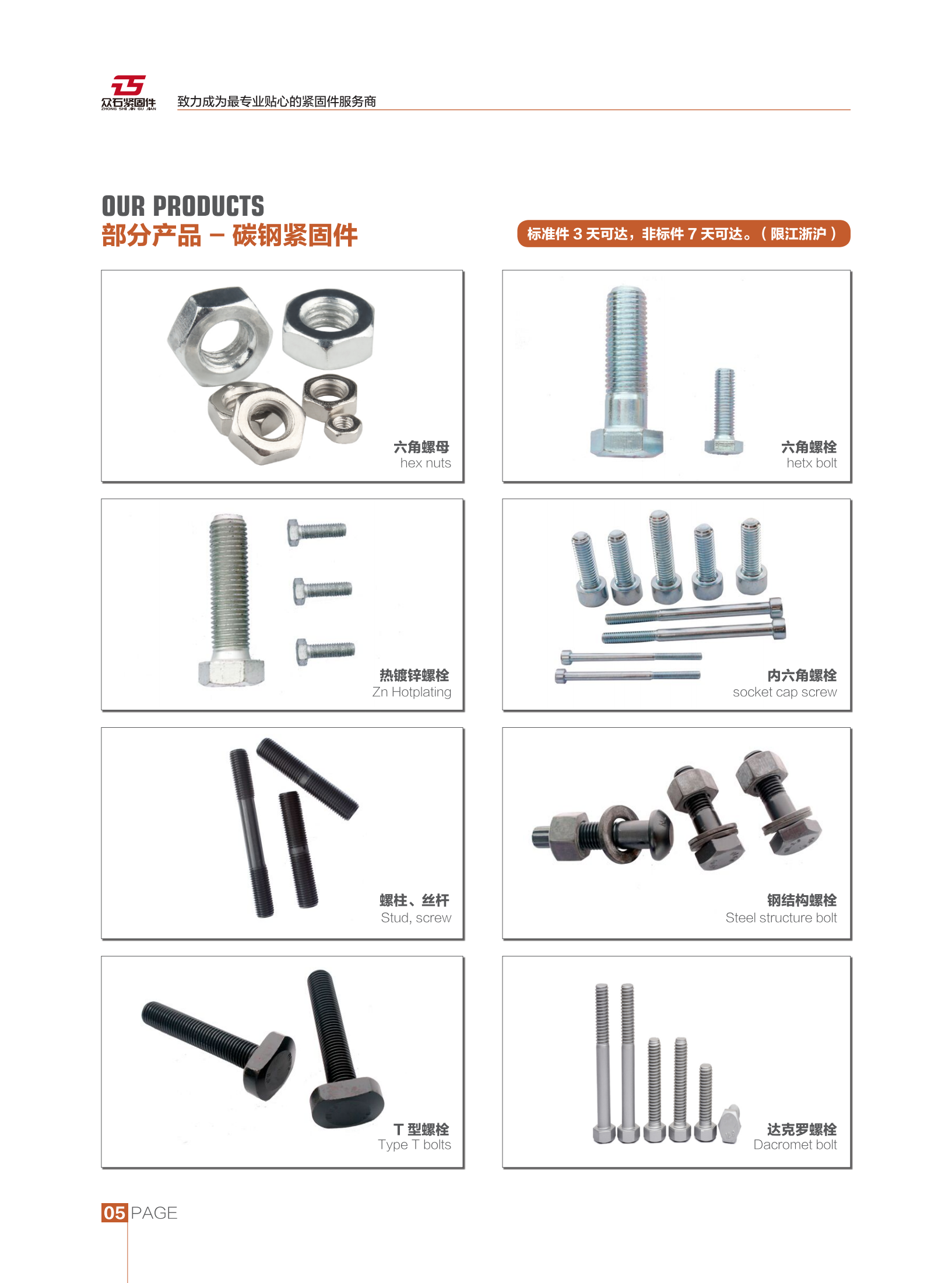
Nuts for High-Strength Steel Structures are specifically designed fastening components used to secure and join high-strength steel components in critical structural applications. These nuts are engineered to meet the demands of high-performance environments, ensuring robust, secure, and reliable connections in demanding industries like construction, heavy machinery, aerospace, and energy. These nuts are made from materials and designs that enhance their tensile strength, resistance to fatigue, and ability to withstand extreme loads, vibrations, and harsh environments. 1. Definition Nuts for high-strength steel structures are specialized fasteners that pair with bolts, studs, or rods to form secure mechanical connections in steel structures. These nuts are particularly suitable for use in situations where the materials being fastened are subjected to heavy loads, high stress, or extreme conditions. They are made to meet stringent requirements for structural integrity, safety, and performance. 2. Material The material selection for nuts used in high-strength steel structures is critical to their performance. These nuts are typically made from materials with superior tensile strength, corrosion resistance, and fatigue resistance: Carbon Steel: Provides high strength and is commonly used for general structural applications, often treated with coatings for added durability. Alloy Steel: Frequently used for heavy-duty applications, providing enhanced strength, toughness, and resistance to wear. Stainless Steel: Offers excellent corrosion resistance, making it ideal for harsh environments, including marine, offshore, and chemical industries. Heat-treated Steels: Nuts that undergo heat treatment processes (like quenching and tempering) to improve strength, hardness, and overall durability. Nickel-Plated or Galvanized Steel: Coatings are applied for enhanced corrosion resistance, ensuring the nuts last longer even in aggressive environments. 3. Design & Specifications Nuts for high-strength steel structures come in various designs, sizes, and thread types to suit different applications: Thread Type: Common thread forms include Metric (M), UNC (Unified National Coarse), and UNF (Unified National Fine) threads. The choice of thread depends on the specific requirements of the application, such as load-bearing capacity and vibration resistance. Shape and Size: Common types include Hex Nuts, Flange Nuts, Heavy Hex Nuts, Lock Nuts, and Coupling Nuts, with sizes typically ranging from M10 to M100 (or larger depending on the application). Strength Grade: High-strength nuts are typically classified by their tensile strength (e.g., Grade 8, Grade 10.9, Grade 12.9 in metric system), ensuring that they can withstand high loads and resist deformation or failure under stress. Locking Mechanisms: Some high-strength nuts come with locking features such as nylon inserts (nyloc nuts), metal inserts, or serrated flanges to prevent loosening due to vibrations or dynamic loads. 4. Surface Treatment To enhance the performance and lifespan of nuts in high-strength steel structures, several surface treatments are applied: Zinc Plating: Provides corrosion resistance in general applications, protecting the nuts from rust and wear. Hot-Dip Galvanizing: A thicker coating process for enhanced durability and corrosion resistance, commonly used for outdoor or exposed environments. Black Oxide Coating: Provides mild corrosion resistance while offering a sleek, black finish that is popular in mechanical applications. Phosphate Coating: Used for added resistance to corrosion and to improve the friction coefficient in certain applications.
Keywords:
DIN 6915 Nuts For High-Strength Steel Structures
Category:
Product Details
Product Attributes
Place Of Origin: China
Brand: ZHONGSHI FASTENER (JIANGSU) CO., LTD
Supply Ability & Additional Information
Supply Ability: 15-90 days
Transportation: Ocean,Rail transport,Land,Others
Payment Type: T/T, L/C, D/P,Bank Guarantee,Others
Incoterm: FOB,FCA, CFR, CIF, FAS, DDP, DAP, Others
Specification:Customized on Request
We'll help you configure a system that meets all of your research needs.
Typical applications
Construction and Infrastructure: For securing steel beams, columns, girders, and other load-bearing elements in bridges, buildings, and industrial structures.
Heavy Machinery: Used in the assembly of heavy-duty machines, mining equipment, and cranes where structural integrity is critical.
Oil & Gas: For fastening components in pipelines, rigs, and subsea structures, where high pressure, vibration, and extreme environmental conditions are common.
Aerospace: In aircraft and space vehicle assemblies, where high-strength connections are required for the secure fastening of critical components.
Energy and Power Generation: Used in power plants, wind turbines, and other energy infrastructure requiring high-load fastening solutions.
Packaging & Delivery
Selling Units: Set/Sets
Package Type: asked by buyer

Company Overview
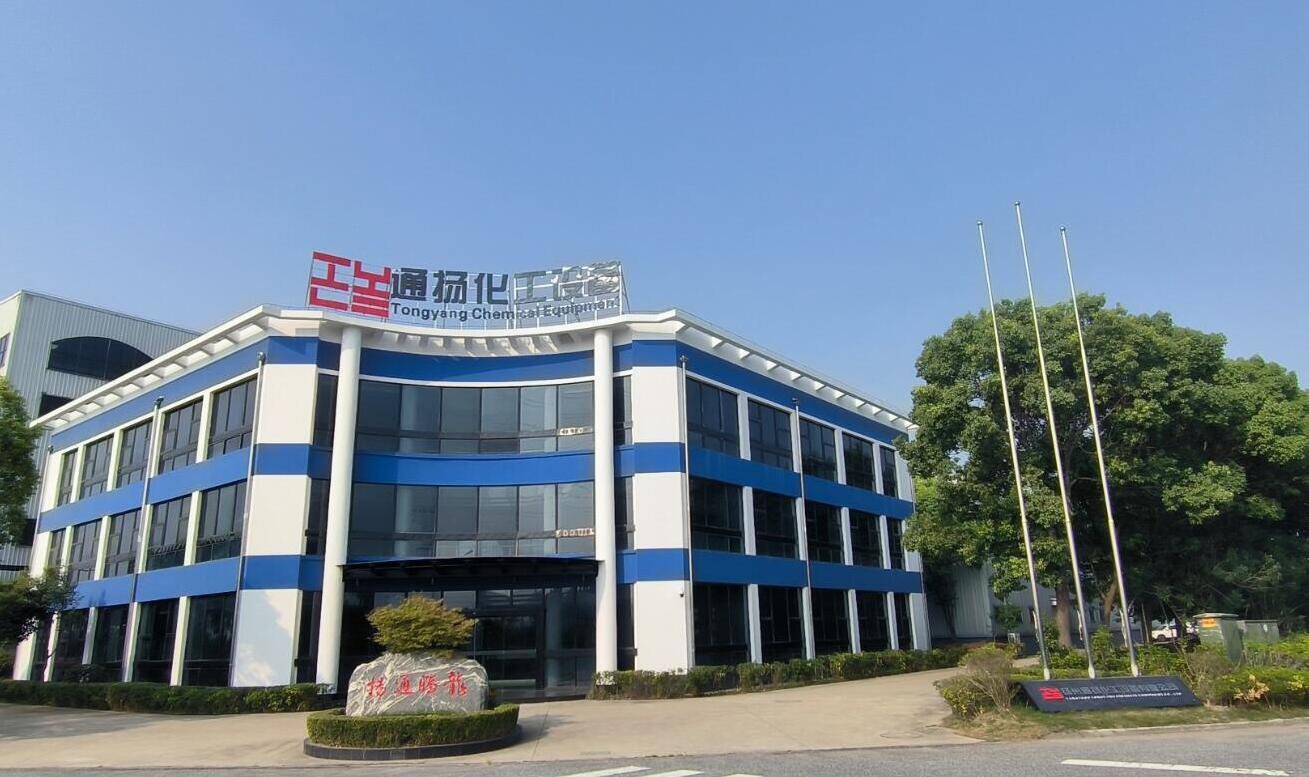
Founded in 1990, TongYang is a professional company specializing in developing and manufacturing chemical machinery and equipment for customers ,It has manufacturing license of grade A2 (the third type of pressure vessel) issued by state general administration of market supervision, license Key: :TS2210D94-2023. Tongyang has always been committed to the research and development, production, application of chemical machinery and equipment in fine chemical, petrochemical, food, biological and pharmaceutical industries. Our technology in develop distillation tower and separation equipment attain domestic leading level, Keep pace with international advanced level.
Provide turnkey projects
Our team can provide you with turnkey engineering, you do not have to worry about the installation is not professional, we will complete the installation and debugging according to your specific requirements, at the same time, a professional training, to solve your worries.
Competitive Advantage
Abundant experience: more than 30 years experience in non-ferrous metal cladding and production;
Technical consulting service: technical consulting on material, welding, NDE, Welding, Heat treatment ;
Independent inspection service; in-process inspection, final inspection; Hydrostatic testing etc;
Transportation: have own export license, Yangzhou Port and Shanghai Port , 2.4 kilometers away from Yangzhou Port and 226 kilometers away from Shanghai Port.
Varieties of manufacturing standards to meet the needs of the global market
GB150-2011;
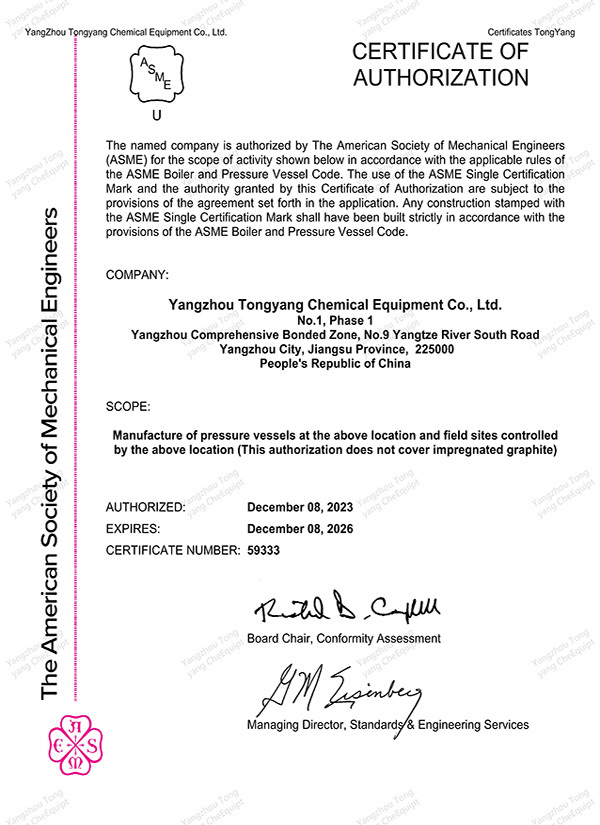
ASME U, U2 Certificate;
GOST 34347;
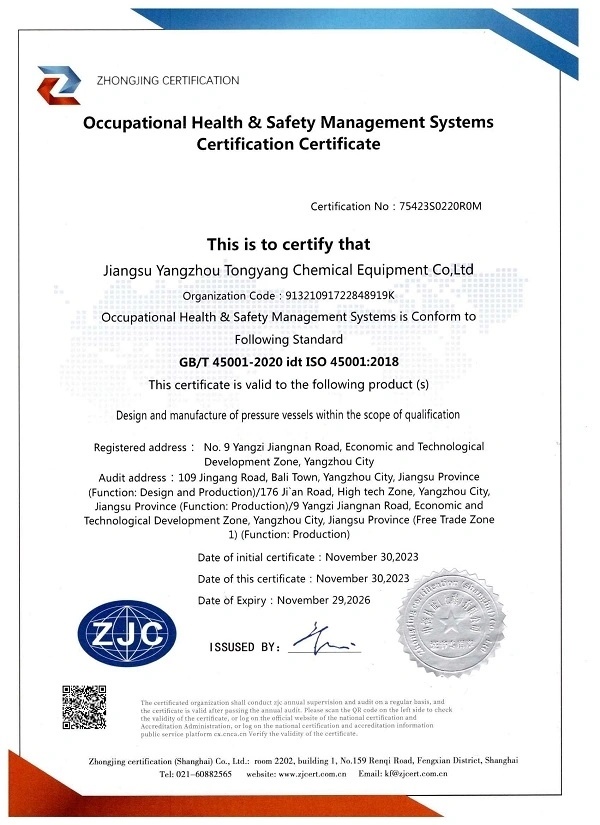
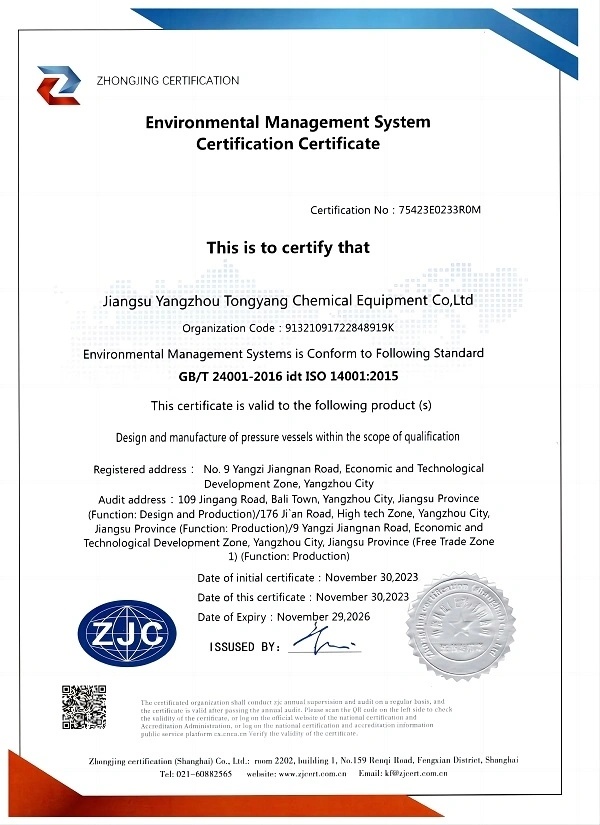
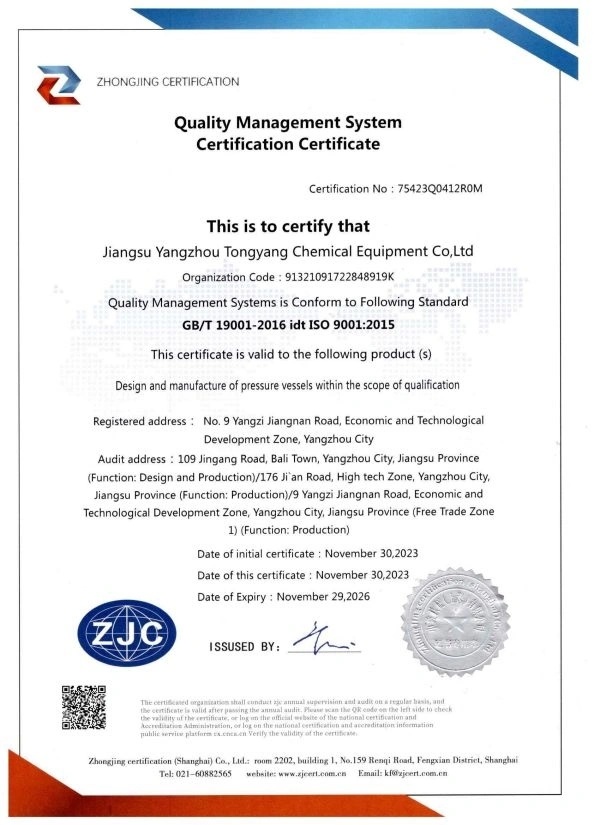
ISO14001 , ISO 45001, ISO 9001;
ASME SEC VIII DIV.1,ASME SEC VIII DIV.2 ; f.PED 97/23/EC with CE certificate;
Workshop Photos

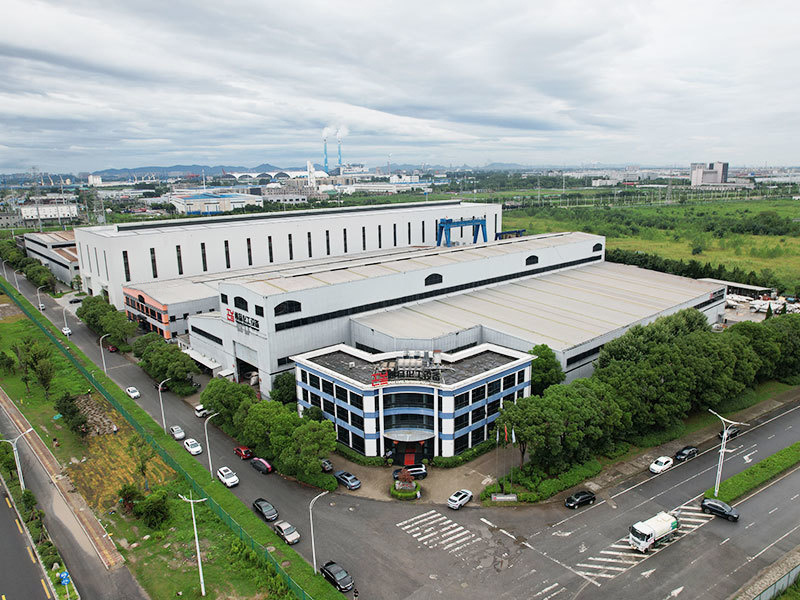
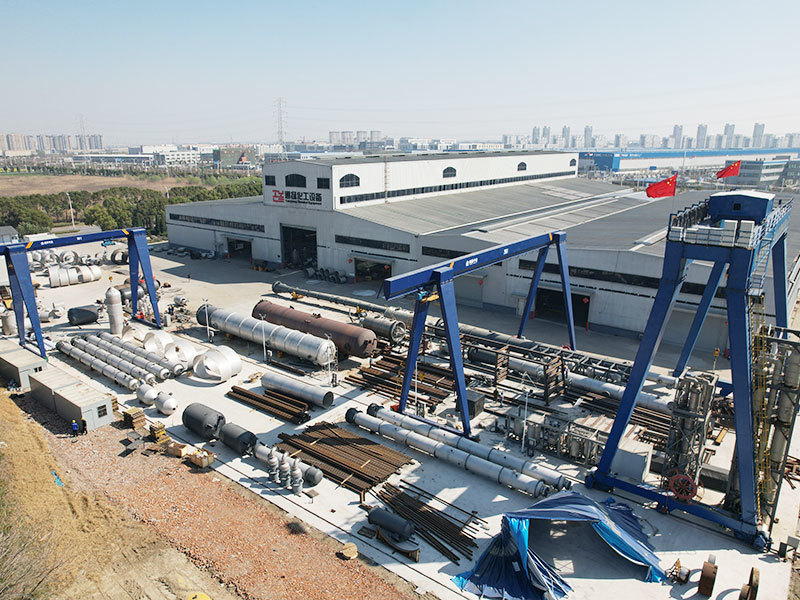
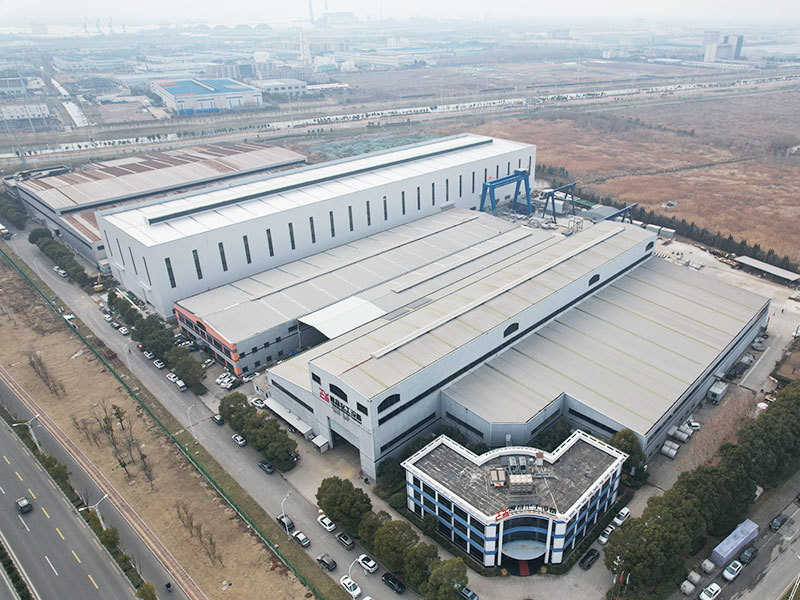
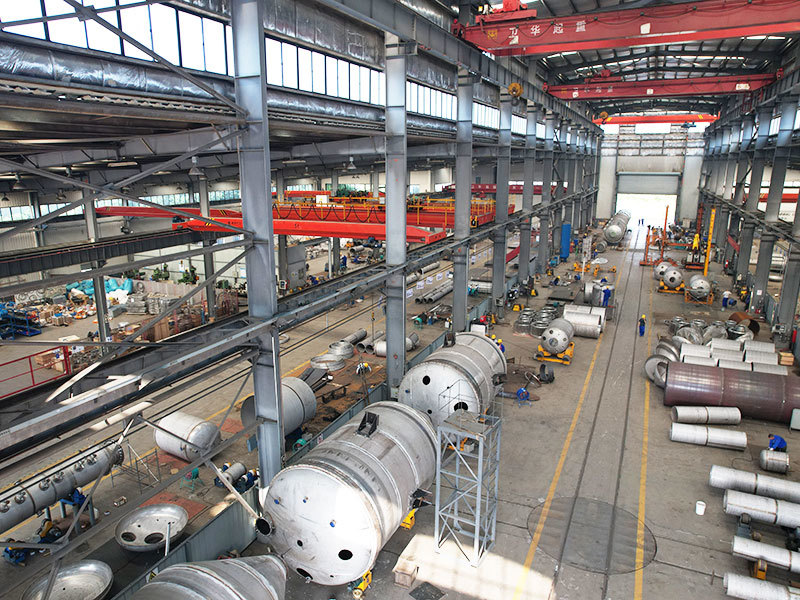
Production workshop
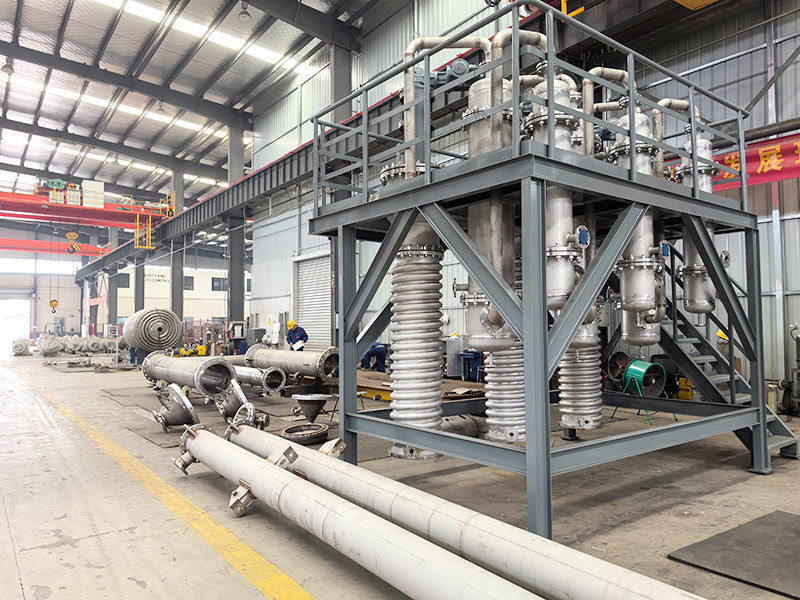
Production workshop
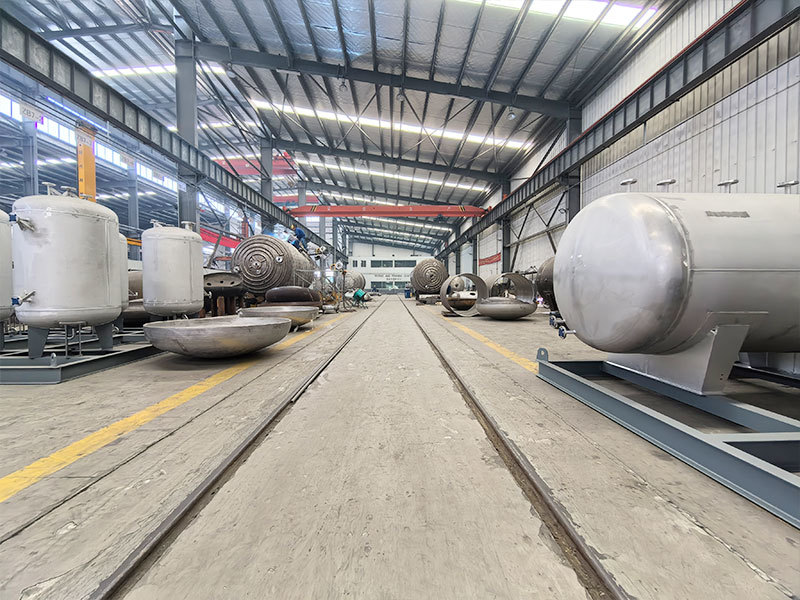
Production workshop
Production Certification


Consultation
Address
No. 9 Yangtes south Road (No. 1 Bonded Zone), Yangzhou, Jiangsu China


Copyright©2023 Yangzhou Tongyang Chemical Equipment Co., Ltd.